
Running for Their Lives: The Wildlife Victims of Wildfire
As I watched the news coverage of the recent fire near San Clemente, one image stayed with me. A reporter described seeing cottontail rabbits frantically running for their lives as flames moved across the landscape.
I couldn't help but think about what those little animals were experiencing. Imagine being a small rabbit, suddenly surrounded by smoke, heat, and flames, desperately trying to find a way to escape. You don't understand what is happening. You only know that your world is on fire and you need to run.
And it isn't just rabbits.
Wildfires affect countless species, from deer, coyotes, bobcats, and other mammals to nesting birds, reptiles, and the many small creatures that live beneath the vegetation. Some animals manage to escape, while others become trapped, injured, or overwhelmed by smoke and heat. Young animals may be unable to flee quickly enough, and nests, dens, and burrows can be destroyed in a matter of minutes.
But for the animals that survive the flames, the struggle is often far from over.
Imagine returning to the place you have always called home, only to find that your shelter is gone, the vegetation that once provided food has been reduced to ash, and the familiar landscape you depended on has completely changed.
Wildlife must now search for food, water, and shelter in unfamiliar territory. Some animals move into nearby neighborhoods, where they may encounter traffic, domestic pets, and people who are frightened or unsure how to respond. Others may struggle for weeks or months as the habitat they depend on slowly begins to recover.
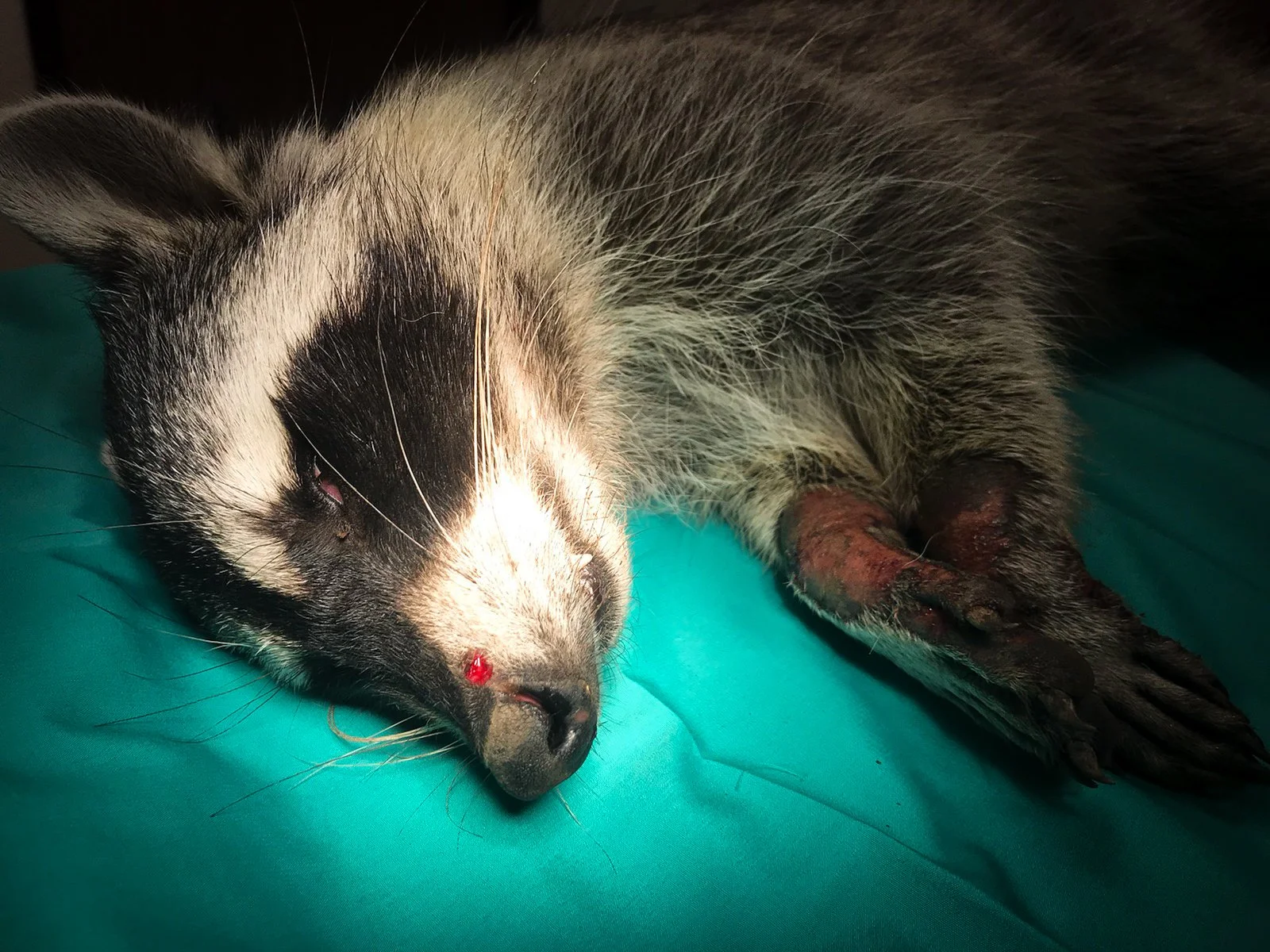
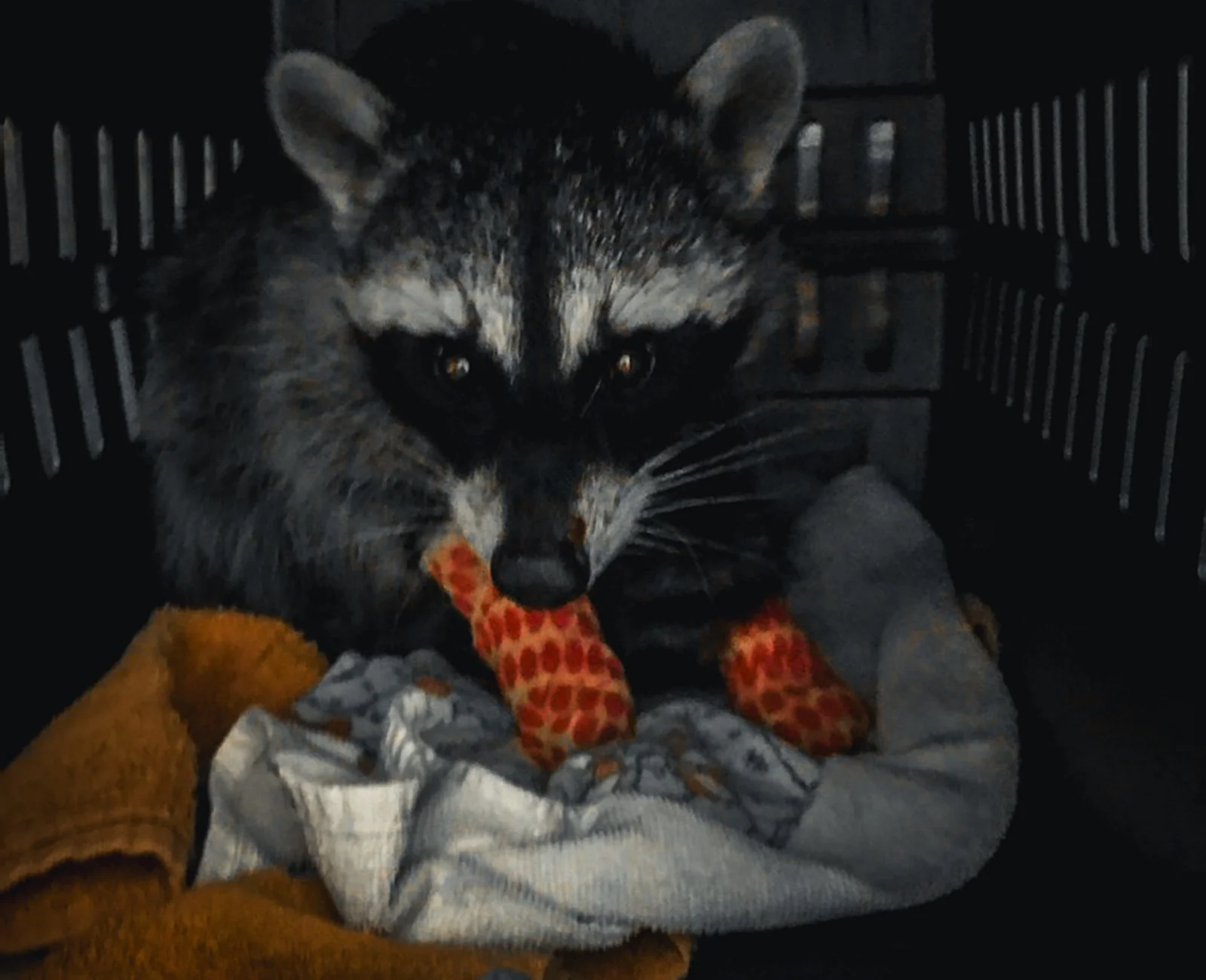
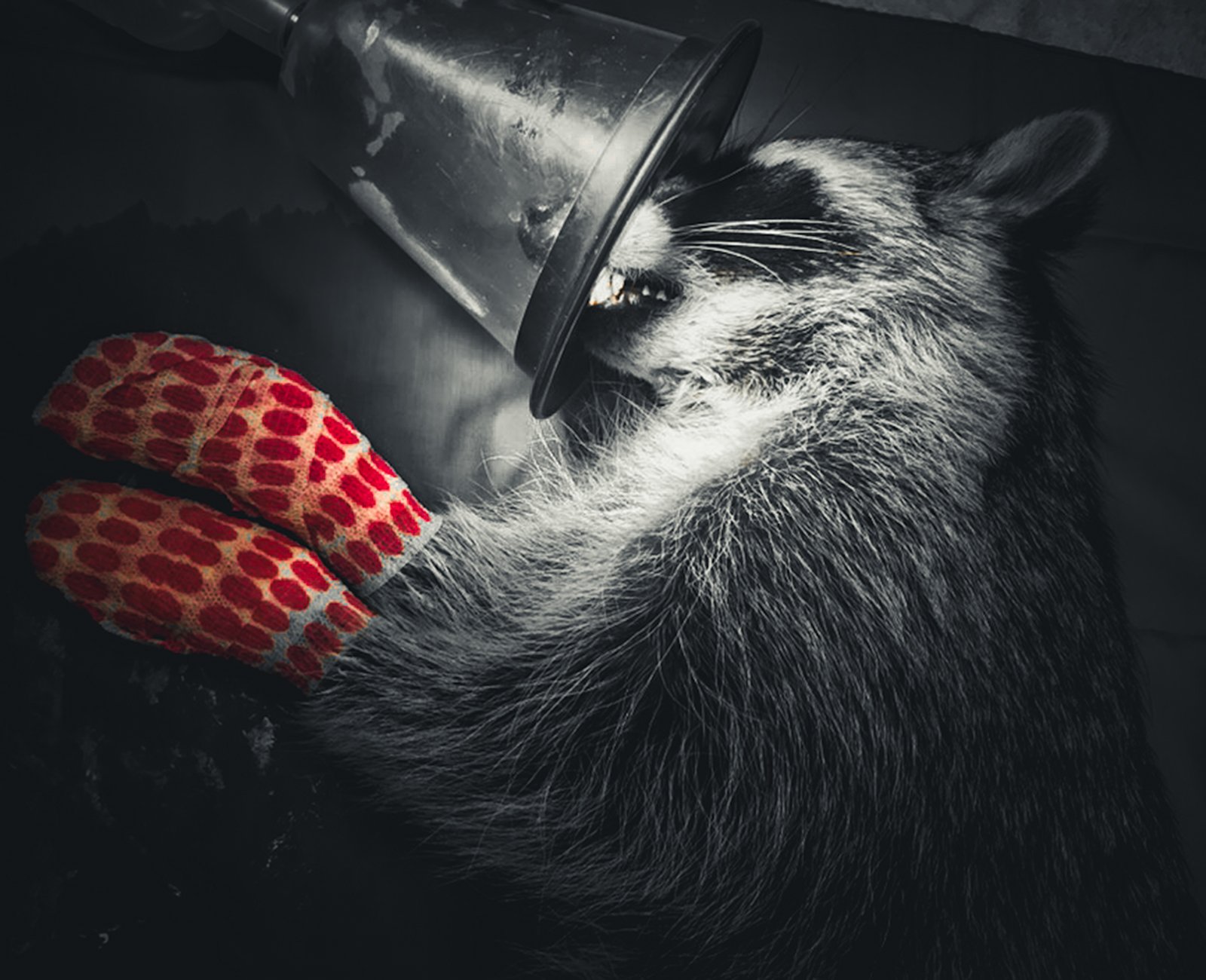
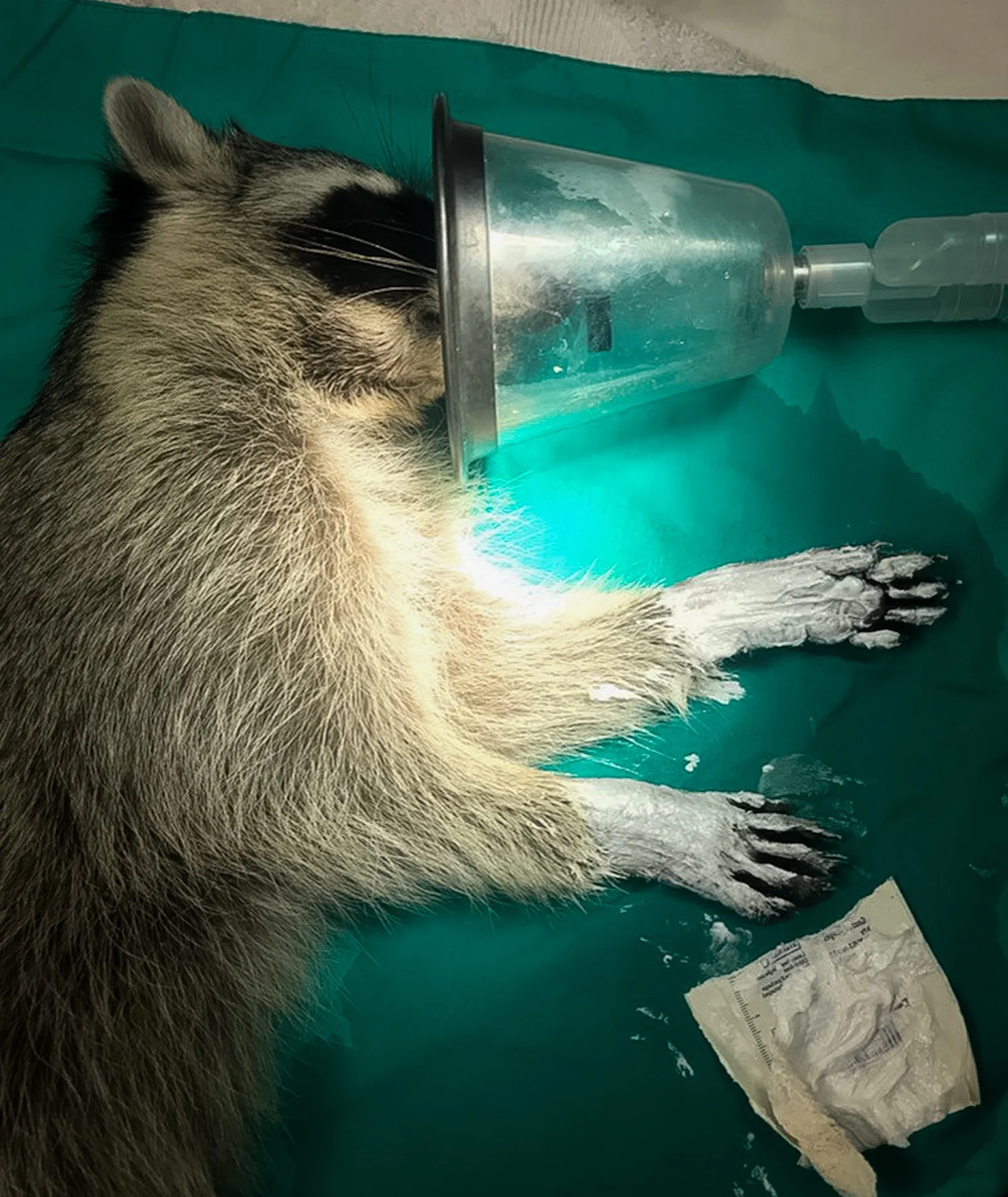
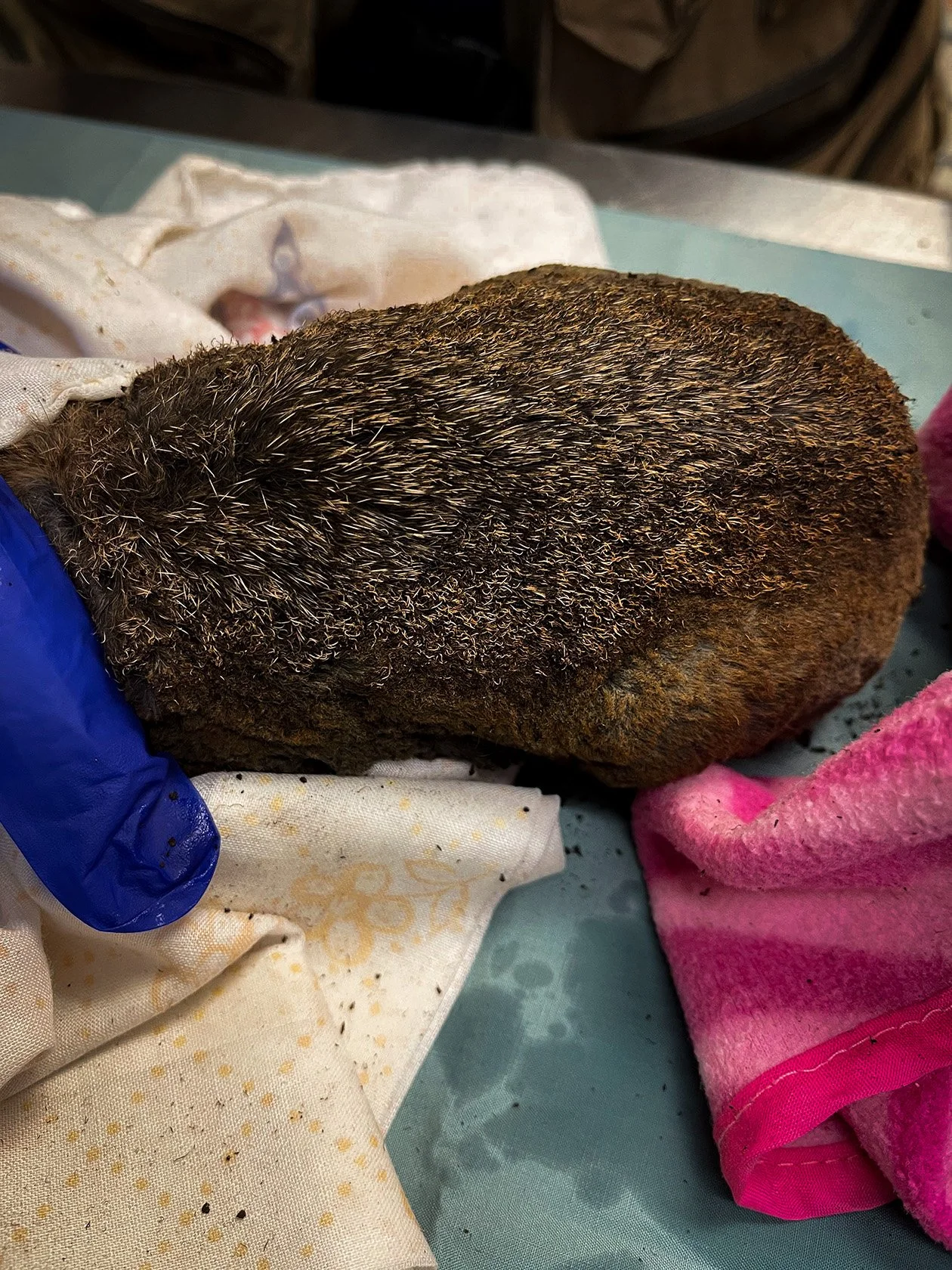
As someone who has spent many years working in wildlife rehabilitation, I know that the effects of a disaster are not always obvious at first glance. An animal doesn't have to have visible burns to be in trouble. Injuries, dehydration, exhaustion, and other complications may require professional care.
How can we help?
Our first responsibility during an active fire is to protect human life and follow evacuation orders. Never put yourself or others in danger to rescue a wild animal.
After the immediate danger has passed, we can help by giving displaced wildlife space and a safe route to move away. Keep pets indoors or securely contained, secure trash, and avoid approaching or attempting to capture frightened animals.
If you encounter wildlife that appears injured, burned, weak, or orphaned, contact a licensed wildlife rehabilitator for guidance. Please don't assume an animal is fine simply because it has escaped the flames.
Although our instinct may be to put out bowls of food or water, California Department of Fish and Wildlife advises against providing food or water to displaced wildlife after fires. Artificial feeding and watering can draw animals into hazardous burned areas and increase the risk of disease and other dangers.
Wildfires are frightening reminders of how vulnerable wildlife can be, especially when the places they depend on are destroyed so quickly. We cannot prevent every natural disaster, and we cannot save every animal affected by one. But we can learn to recognize their needs, respond responsibly, and make room for wildlife as communities recover.
The next time you see a rabbit darting across a road or a coyote moving through a neighborhood after a fire, remember that it may have lost its home and be struggling to survive.
These animals are not intruders. They are survivors, trying to find their way in a world that has suddenly changed.
They deserve our understanding, our compassion, and the opportunity to recover.
written by - Debbie McGuire