
NEWS & UPDATES
What's Up!Sea Turtles on the News!
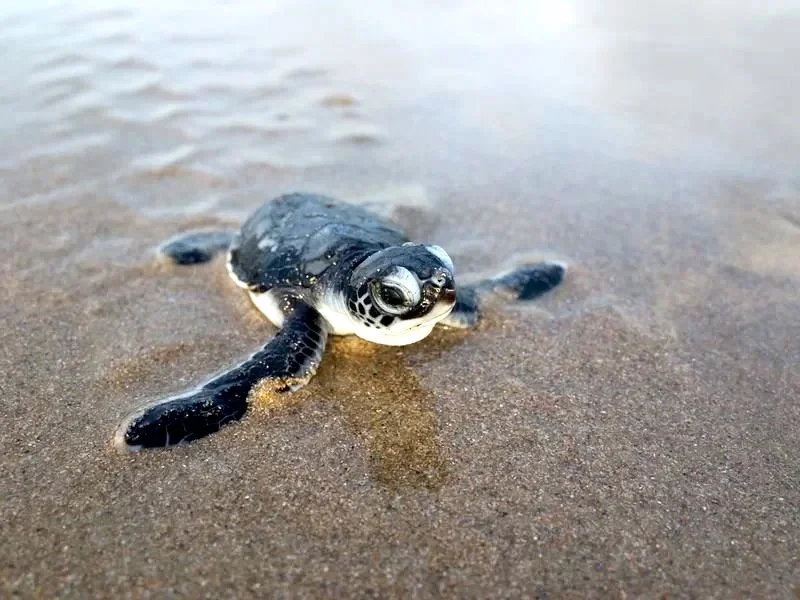
By Debbie McGuireBecause sometimes the pieces of a wildlife story don't make sense until years later. In 2020, five sea turtle eggs were found on Huntington Beach and ultimately confirmed through DNA testing to be from sea turtles.
Now, six years later, there are documented sea turtle nests in the same general coastal area. Does that mean the 2020 eggs came from the same species now nesting here? We don't know.
What we do know is that something unusual happened on our beach six years ago, and today we're watching sea turtles return to nest along the Orange County coast. For me, the lesson isn't about having all the answers. It's about paying attention, documenting what we find, protecting wildlife when we encounter it, and continuing to learn.
Maybe those five little eggs were an early piece of a much bigger story.
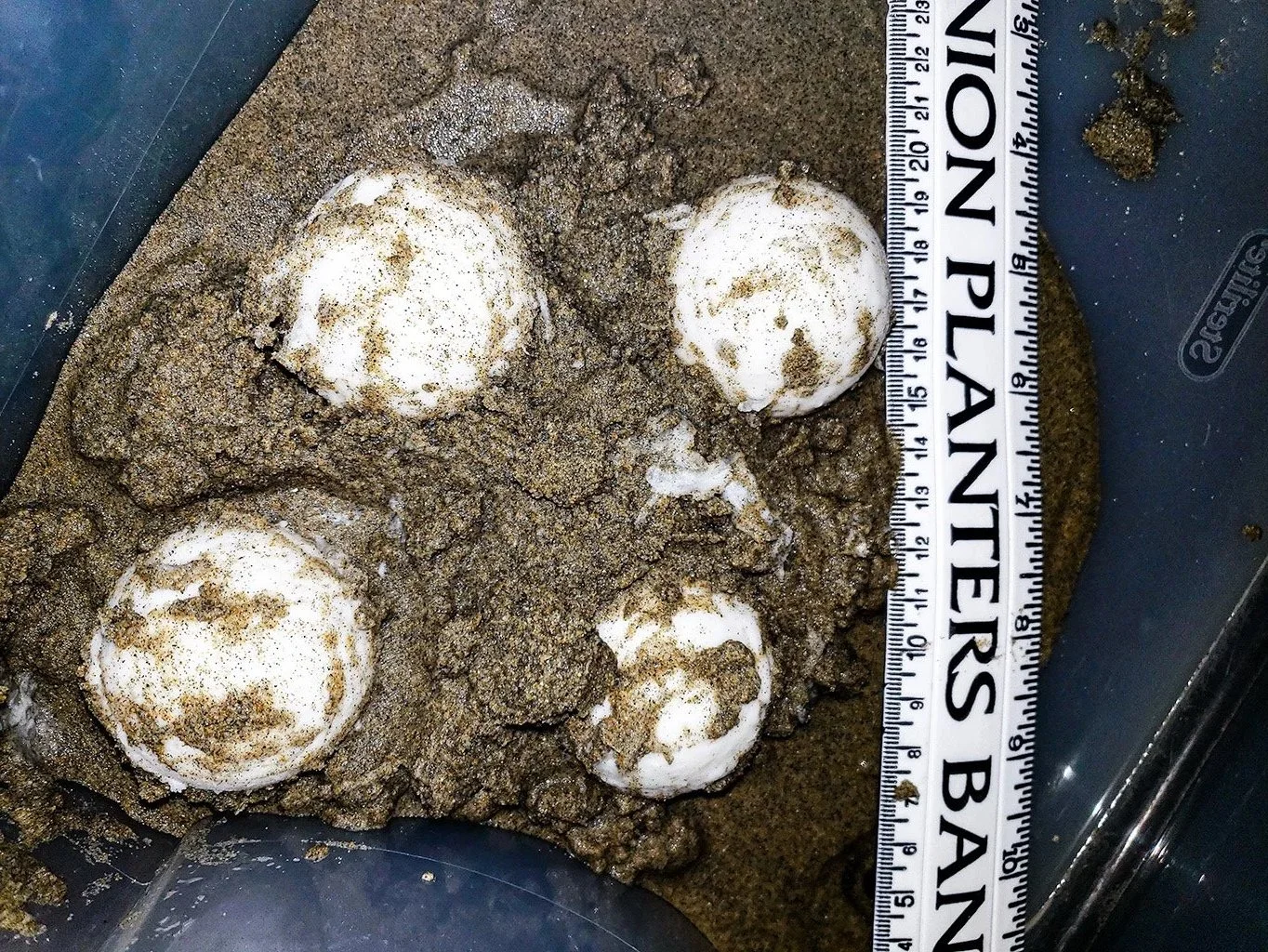
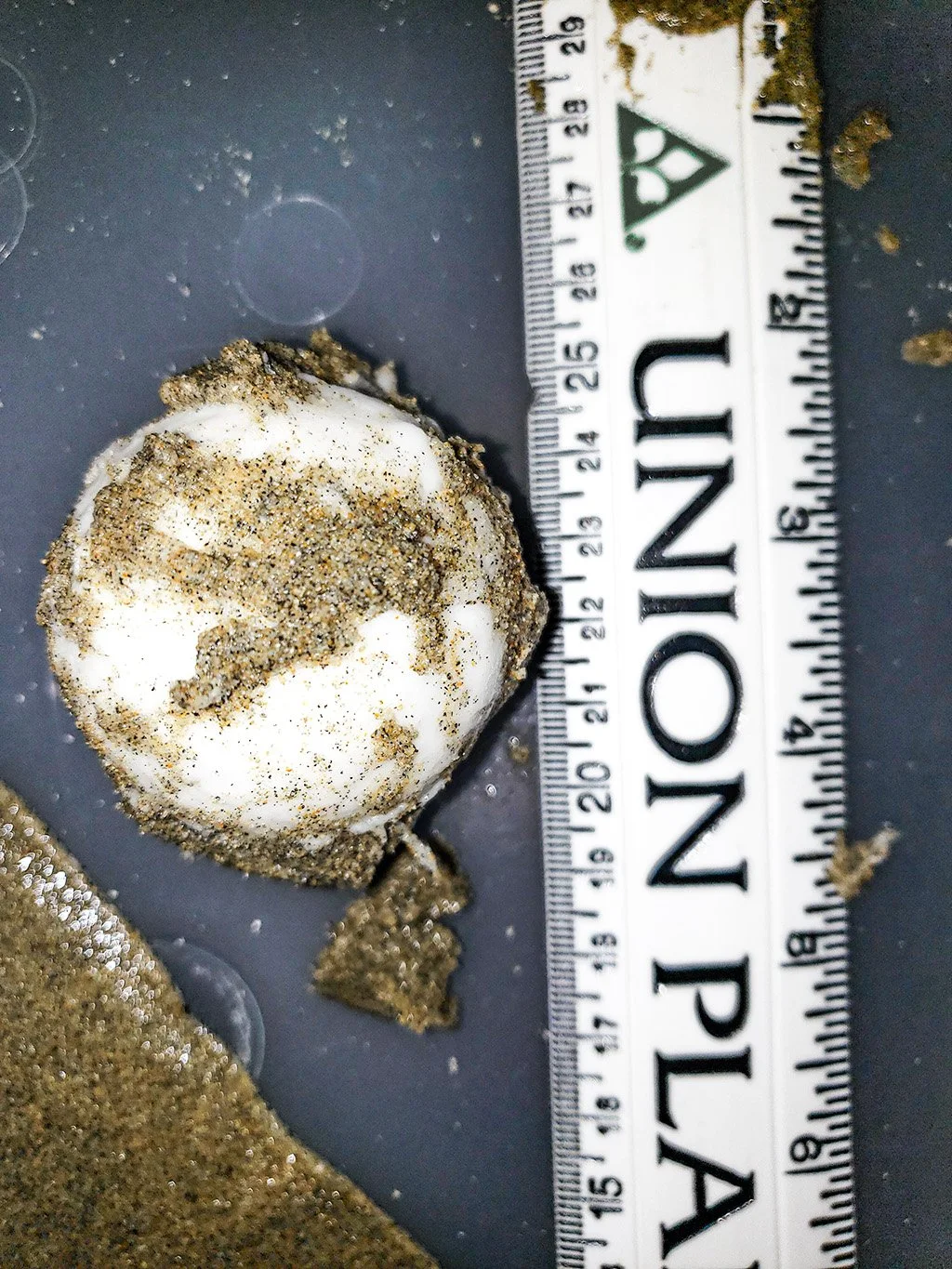
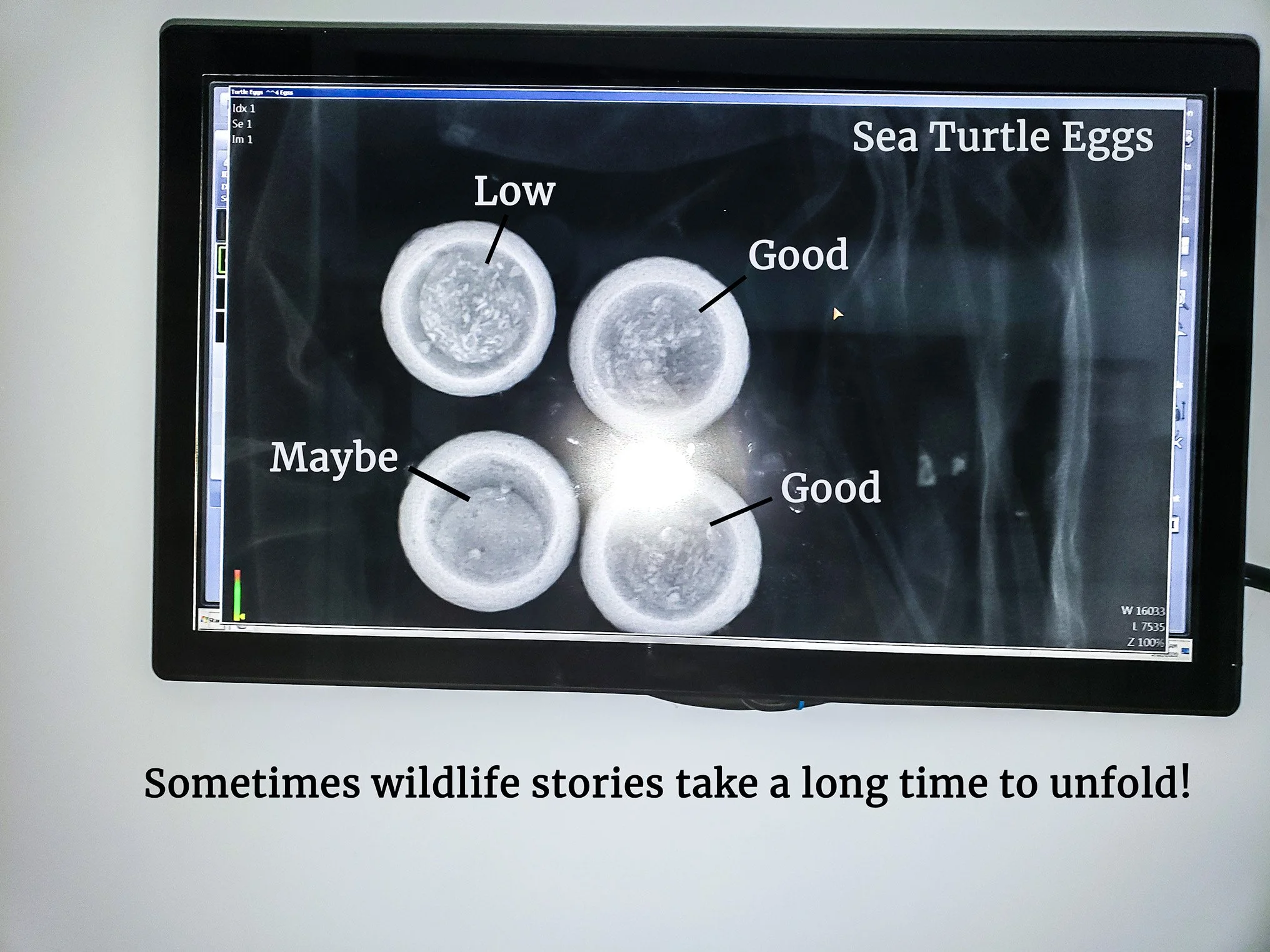
I’m glad they moved the turtle nests.
Recently a decision was made by a group of marine mammal experts to move the turtle eggs to the Aquarium of the Pacific. I know moving a sea turtle nest is not without risk. But when you look at what was coming at these nests, including the Kelvin wave, high tides, storm surge, human foot traffic, noise and light pollution, and all of the other stressors that come with a busy Southern California beach, leaving them in place also carried risk.
These decisions were not made lightly. There were many discussions, risk assessments, and people with decades of experience making decisions about how to protect wildlife when circumstances change.
As someone who has spent more than 36 years working with wildlife, I know there is no such thing as a completely risk-free solution when you're trying to protect a wild animal. What I hope for these turtles is that we got ahead of the problem instead of waiting for something to go wrong. To me, this is coexistence.
It isn't about keeping wildlife away from people. It's about finding ways for wildlife and people to share the same place and give these animals a chance to thrive.
What Might Coexistence Look Like
Giving nesting areas a little more space when they need it.
Being thoughtful about artificial lights near the beach at night.
Keeping dogs and people from disturbing protected areas.
Being aware of how much noise and activity we bring to the shoreline.
Picking up trash and fishing line that could become dangerous to marine life.
Thinking about how beach events and other activities might affect wildlife.
Being mindful of what goes into the ocean and onto our beaches.
Learning to recognize when wildlife needs space rather than our intervention.
Supporting the scientists, biologists, wildlife rehabilitators and agencies who monitor and protect these animals.
And perhaps most importantly, being willing to share a little of our beach with the wildlife that was here long before us.